Mold Inspection in Pennsville, NJ
Suspected mold and hidden moisture are assessed in your Pennsville home to define the next repair and cleanup steps. Call 24/7 to arrange your assessment.
- Visual and moisture checks
- Clear assessment and sampling scope
- Findings explained before cleanup
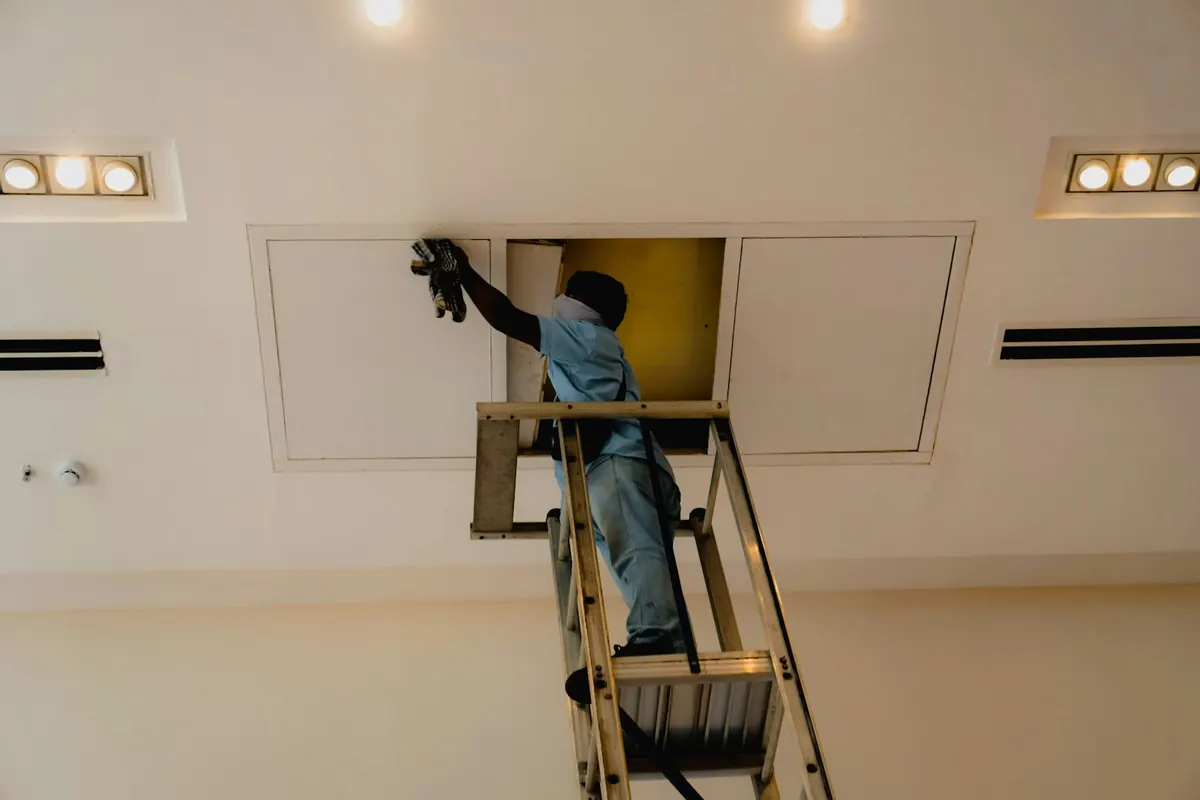
Mold Inspection Services Across Pennsville
Your inspection looks for moisture and growth on reachable ceilings, walls and cabinets, plus accessible crawl spaces and attics. The findings show which materials are affected and where water likely enters.
A thermal imaging camera, or infrared camera, shows temperature changes to investigate, not mold itself. To map moisture in your property, the inspection combines what is visible with readings from a moisture meter.
Your written report explains findings, access limits and each remediation recommendation. Air sampling or surface sampling addresses a defined question. Lab results are interpreted alongside moisture readings.
- Room-by-room assessment within your scope
- Leak and stain areas checked through moisture mapping
- Crawl space access and attic entry checks
- Targeted sampling when needed
- Affected material and cleanup scope
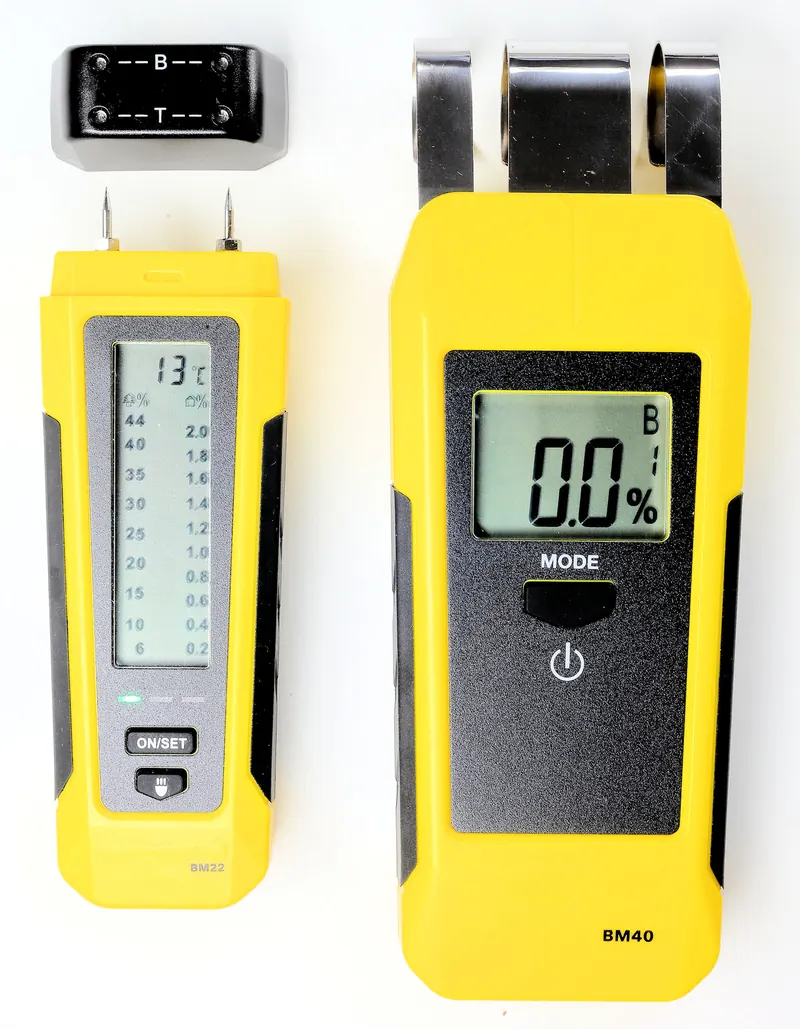
Mold Assessment in Pennsville: Signs to Watch For
Recurring spots, damp finishes and unexplained odors are reasons to assess your property before covering damaged surfaces.
Condensation and Damp Corners
Windows stay wet or wall corners remain damp despite routine surface drying.
Suspected Mold Behind Finishes
Previously hidden framing with patches, stained backing or damp insulation comes into view during your renovation.
Mold Returns After Cleaning
Around your windows, beneath sinks or beside baseboards, spots keep returning while moisture goes unaddressed.
Musty Odor Without Visible Growth
You notice a musty smell in your room despite clean-looking accessible floors and walls.
Stains After a Leak
You notice swollen cabinet backing, soft drywall or ceiling rings left behind by water intrusion.
The Assessment Process With Mold Inspectors in Greater Philadelphia
Your visit establishes findings and scope. Follow-on cleanup, when included, follows assessment, containment, removal, cleaning, drying and verification.
Call and Mold Assessment
Begin your call by discussing the affected rooms. Surfaces within reach get checked for damage, stains and growth.
Moisture Source and Scope
Damp areas and probable sources are traced using moisture mapping. Your written scope of work lists assessment, cleanup, sampling and repairs separately.
Containment Before Opening
Poly sheeting creates the containment barrier before areas are opened for investigation. To limit particles spreading where needed, the work uses HEPA filtration alongside negative air pressure.
Targeted Access and Material Removal
Approved openings expose suspect backing or insulation. Within containment, materials that cannot be saved are removed and bagged during agreed cleanup.
Cleaning the Exposed Area
Sound surfaces receive damp cleaning and HEPA vacuuming as part of agreed cleanup. A HEPA air scrubber supports particle control.
Drying and Moisture Checks
After cleaning during remediation, controlled air movers and a dehumidifier help with drying. Moisture readings track progress before cavities are closed.
Verification and Findings
Your inspection report explains findings and access limits. After cleanup, an independent assessor conducts specified clearance testing, while post-remediation verification checks the cleaning and drying work.
Containment Removal
Barrier removal follows completed drying, cleaning and final checks that were agreed. Repairs still needed remain listed in your scope.
Why Consider Philadelphia Mold Removal Services for Mold Inspection?
Clear Mold Assessment Scope
Your scope defines rooms, sampling needs and access limits.
Moisture First
Moisture linked to repeated growth is traced during your assessment.
What the Findings Mean for Next Steps
Your report links observations and moisture readings to cleanup needs.
Calls Answered 24/7
You can arrange your assessment through one number for the whole metro, day or night.
Controlled Exploratory Work
For work disturbing affected materials, HEPA filtration and containment are selected to suit the task.
Steps Before a Mold Assessment in Salem County
Leave suspected growth undisturbed until your assessment.
- Keep the affected area clear. Make suspect materials off-limits to pets and children.
- Leave wall finishes in place. Do not scrape, sand or open moldy surfaces before the visit.
- Stop a leak when safe. Stay clear of standing water beside electrical equipment.
- Keep suspect HVAC equipment off. EPA recommends keeping a potentially contaminated system switched off.
- Limit fresh water damage. To prevent mold growth, EPA recommends that you dry areas and items damaged by water within 24 to 48 hours.
Your Pennsville, NJ Mold Inspection Cost
Sampling, the property's size and access requirements determine what your inspection costs. You can compare assessment without testing against testing visits and added samples using these Fixr figures. A published range does not establish a quote for your own property.
Average $500 for a typical inspection including lab testing and two samples
$450 to $800 per inspectionSource: Fixr, Mold Inspection Cost (checked 2026-10-23)Inspection only, no testing
$300 to $600 per inspectionSource: Fixr, Mold Inspection Cost (checked 2026-10-23)Black mold inspection
$600 to $800 per inspectionSource: Fixr, Mold Inspection Cost (checked 2026-10-23)Factors Affecting Your Mold Inspection Price
- Lab fees
- Home size
- Number of samples
- Whether testing requires an opening in drywall
- How accessible your attics and crawl spaces are
Your Assessment Price and Scope
These published national ranges are planning figures. Your on-site assessment defines the work and price before cleanup starts, including any separate source repairs or rebuilding.
Call (844) 352-3560 about costMold Inspection Service Area Across Greater Philadelphia
Call (844) 352-3560 to arrange cleanup in Pennsville or nearby communities. One number covers the metro.
Mold Inspection in Locations Near Pennsville
ZIP codes
Frequently Asked Questions About Mold Inspection in Pennsville
How is your Salem County assessment cost determined?
Your sampling scope, property size and available access shape the price. The cost cards distinguish a visit without testing from one that includes samples and lab analysis. More work may be involved with extra samples or investigative openings. These differences appear in your assessment scope before either the visit or further work goes ahead.
Must drywall be taken out as part of the visit?
Without drywall removal, many assessments begin by checking reachable surfaces and taking moisture readings. Appropriate precautions and approval may be required for an opening to examine suspected hidden damage. During later cleanup, moldy drywall or damaged backing may need removal. Your findings distinguish confirmed damage from concealed areas that could not be inspected during the visit.
Is staying home possible while your assessment takes place?
With a visual assessment, access usually remains available to rooms outside the area under immediate inspection. Opening areas to investigate, or later cleanup within containment, may alter those arrangements. Your layout, access routes and household needs determine which areas remain usable. While materials are disturbed, restricted work areas remain separated; the visit offers no blanket clearance for occupancy.
Does your visit cover both moisture repairs and removal?
The affected materials and moisture issue become clear through assessment. Your scope must list removal, roof work, plumbing repairs or rebuilding for those tasks to be included. If cleanup follows, the work moves through containment, material removal, cleaning, drying and final checks. Before cavities receive new finishes, your plan still includes the necessary repairs to the moisture source.
Is testing needed after mold removal?
Final checks confirm whether cleaning and drying have reached the agreed completion point. If specified, clearance testing is carried out by an independent assessor while containment is still in place. Results are considered alongside visible conditions and moisture readings. No federal limit applies to indoor mold, which means a lab number by itself cannot serve as a universal pass mark.
How long does an assessment take in Pennsville?
Your inspection time depends on the number of rooms, access and whether concealed areas need investigation. Checking visually differs from collecting samples or opening up a wall. Accessible-area findings are recorded as the assessment takes place. With testing included, the time needed for lab processing affects when you receive a completed report.
Do mold inspection and testing always have to go together?
You often do not need sampling for growth you can see, according to EPA guidance. Testing becomes part of the work when results could resolve a specific question affecting the job. A tape lift, swab sample or spore trap is examined by an independent testing lab. Those findings are read alongside moisture readings, observed site conditions and limits on access.
Considering Insurance for a Mold Assessment in New Jersey
Homeowners insurance coverage depends on your policy, moisture cause, exclusions and deductible. Assessment, testing, removal and source repairs may receive different coverage decisions.
Mold Assessment Precautions Across Greater Philadelphia
Limits on access and risks from disturbance guide your property assessment.
Mold Color
You cannot determine how risky mold is from color alone, CDC says.
Hidden Moisture
A dry surface does not establish the condition of insulation behind it.
Restricted Access
Unsafe floors in the attic or limited crawl space room may narrow the inspection.
Opening Moldy Materials
Opening an area to investigate may release mold spores, so suitable containment and protective equipment are necessary.
Cleanup scope: You can often clean an area under about 10 square feet yourself as a homeowner, EPA says. Larger affected areas and HVAC involvement need professional attention, as does mold from sewage or contaminated water.
Mold-Affected Materials in Salem County: What Gets Assessed
Findings show what can be cleaned and what might need removing when cleanup takes place at your property.
Non-Porous Surfaces
- If sound, tile, metal and glass may undergo cleaning and drying.
Porous Materials
- For moldy ceiling tiles, drywall and carpet, removal may be needed; cleaning may suffice for sound wood.
Concealed Damage
- Backing and insulation receive assessment through authorized openings that make them accessible.
Mold Inspection Time for Your Salem County Property
Your timetable varies with access conditions, how deeply the inspection goes and any lab work.
- Site visit: Your visit may take longer with additional rooms or difficult attic access or crawl space access.
- Further investigation: Making openings with approval and taking further samples can involve additional work.
- Completed findings: Lab analysis, when included, affects completion of the report.
Your Pennsville Mold Checks for Musty Odor
Your scope includes checks of accessible cabinetry and adjacent areas. Mustiness points toward places to investigate but cannot determine how far growth extends.
EPA recommends keeping your indoor relative humidity under 60 percent, with 30 to 50 percent as the ideal range. Managing humidity helps correct moisture, but mold may return unless the water problem is repaired.
Requirements for Your New Jersey Mold Assessment
Mold Inspector Requirements
New Jersey has no state certification program for companies that do mold work, according to the state Department of Health. Ask any contractor about their mold training and experience, and check whether your town or county has its own contractor rules.
Exploratory Access
Opening walls or entering shared areas requires appropriate authorization.
Indoor Mold Levels
EPA has no federal limit for mold levels indoors. A spore count by itself does not demonstrate that your home is safe.
State Mold Information
The New Jersey Department of Health, Consumer, Environmental and Occupational Health Service, has a mold page and a Mold Advisory Bulletin for residents. The bulletin says to fix moisture problems and clean up mold, and that small areas under about 10 square feet may be handled by a homeowner.
State guidance: NJ Department of Health: Mold; NJ Department of Health: Mold Advisory Bulletin; NJ Seller's Property Condition Disclosure Statement (nj.gov)
Related Services and Next Steps
Start Your Mold Inspection in Pennsville
Call 24/7 to arrange your assessment. Your cleanup starts with the affected surfaces, moisture source and access to your home.